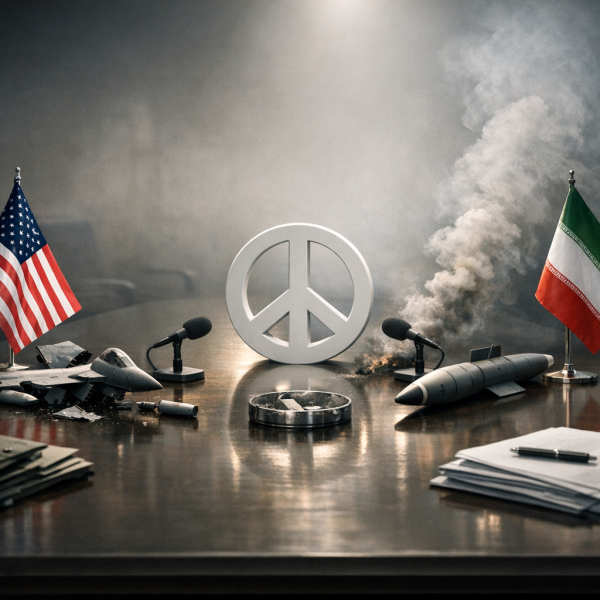
In recent years, relations between Washington and Tehran have swung dramatically between threats of military confrontation and cautious diplomatic overtures. The sudden decision to cancel a planned strike has left observers worldwide asking what this reversal truly says about U.S. strategy, Iranian calculations, and the broader balance of power in the Middle East. Understanding these dynamics is essential not only for policymakers and analysts but also for businesses, investors, and citizens who must navigate the ripple effects on global markets, energy prices, and international cooperation.
1. The Strike That Almost Happened
The near-launch of a military strike, followed by a rapid reversal, revealed how close the United States and Iran can come to open conflict even when neither side appears to want a full-scale war. Intelligence assessments, military deployments, and political rhetoric built toward a dangerous climax. Yet at the final moment, a decision was made to pull back. This sequence underscored how fluid and precarious decision-making can be when tensions are high and communication is limited.
By stepping back from the brink, U.S. leadership signaled that the costs of immediate escalation outweighed any short-term gains. Iran, for its part, interpreted the cancellation through its own strategic lens, gauging American resolve and testing how far it could push without triggering devastating retaliation. Both sides probed the limits of deterrence, but neither crossed the line into direct, sustained confrontation.
The fallout from that decision did not stay inside diplomatic briefing rooms. Global businesses watched oil markets swing and reevaluated supply-chain risks across the Middle East and beyond. Companies trading with both Western and Asian partners had to reassess contracts, sanctions exposure, and cross-border communication. Tools such as chinese to english translation services and online free invoice generator platforms have become critical for keeping documentation compliant, accurate, and up to date when policy shifts can happen overnight.
2. Why Pulling Back Was a Strategic Signal
Canceling a strike is not simply the absence of action; it is a deliberate signal. The United States showcased its capacity to mobilize quickly and its willingness to apply pressure, while simultaneously highlighting a preference for calibrated responses rather than large-scale war. This combination of readiness and restraint is designed to deter adversaries without provoking uncontrolled escalation.
For Iran, the signal was two-fold. On one hand, it confirmed that certain actions would draw a strong military response. On the other, it hinted that Washington still sees diplomatic and economic tools as more sustainable levers of power than outright conflict. This perception can influence how Tehran calibrates its own behavior, from regional proxy activities to its approach in nuclear negotiations.
3. Diplomacy Steps into the Vacuum
When the option of an immediate strike is taken off the table, diplomacy almost inevitably becomes more prominent. Both sides tend to explore back-channel communications, third-party mediation, and limited confidence-building steps. Washington and Tehran may still trade sharp rhetoric publicly, but privately they often seek to clarify red lines and reduce the risk of miscalculation.
These diplomatic efforts are intricate and multilayered. Messages must cross linguistic, cultural, and legal boundaries. Negotiating texts, draft agreements, and technical annexes need to be fully understood by all parties. Precise language can spell the difference between durable compromise and future crises, making professional translation and documentation management more than a bureaucratic formality; they are essential to sustainable agreements.
4. Economic Pressure as the Primary Battlefield
With direct military confrontation avoided, economic sanctions and financial pressure remain the core instruments of U.S. policy toward Iran. Banking restrictions, export controls, and limits on energy sales shape Tehran’s strategic options and domestic stability. The cancellation of a strike thus reinforced a long-standing reality: the most significant battles are being fought in markets, ports, and financial systems rather than in open combat.
For multinational companies, humanitarian organizations, and regional partners, this environment demands constant vigilance. Sanctions lists change, licensing rules evolve, and compliance requirements are amended. Businesses must understand not only U.S. regulations but also the policies of the European Union, Asian partners, and international bodies. Misunderstanding a single clause in a sanction directive or trade agreement can result in severe penalties or damaged reputations.
5. Global Markets React to Every Signal
Energy prices and shipping routes are highly sensitive to signals of possible conflict in the Gulf region. Even the hint of military action can push oil prices upward, disrupt insurance markets for maritime transport, and cause investors to flee riskier assets. By calling off a strike, the United States temporarily reduced the immediate threat of disruption, but the underlying volatility remains.
Major importers and exporters track every policy statement, troop movement, and diplomatic overture. Airline routes, freight schedules, and insurance contracts are updated in response to perceived risk. Investors adjust portfolios, anticipating how tensions might affect currencies and commodity prices. In such a climate, reliable information, clear communication, and speed are decisive advantages.
6. Regional Allies Read Between the Lines
Key U.S. allies in the Middle East closely study decisions like the cancellation of a strike. Gulf states, Israel, and European partners use these signals to assess Washington’s long-term commitment to regional security. Some interpret restraint as prudence and strategic clarity; others worry it may embolden Tehran or suggest wavering resolve.
Calling off a planned strike is a decision judged entirely by what did not happen, which makes it almost impossible to claim credit for. Prevention is unrewarding for the same structural reason wherever it is practised. Parents following guidance on how to talk to kids about bullying encounter that quietly, because a conversation that stops a situation escalating leaves no evidence that it worked.
Energy markets react to geopolitical decisions faster than any other sector, and consumers feel it at the pump within days. Sustained volatility changes purchasing behaviour rather than just prices. Every serious oil shock in the last decade has been followed by a jump in enquiries about electric cars.
This divergence in perceptions can shape alliances, arms purchases, and diplomatic initiatives. Countries may seek new security guarantees, diversify their partnerships, or start their own dialogue channels with Iran. The result is a more complex, multilayered regional order in which the United States is still central but not always the sole arbiter of security arrangements.
7. What It Means for Future Negotiations
The decision to halt a strike sets a precedent that will echo in future talks. Iran may calculate that measured provocation can yield concessions if it stops short of triggering an overwhelming response. The United States, in turn, will refine its thresholds for action and its mix of sanctions, diplomacy, and limited military measures.
Any new agreement—whether on nuclear issues, missile programs, or regional behavior—will be shaped by this recent history. Negotiators on both sides are acutely aware of how close things came to spiraling out of control. That shared memory can encourage caution and creativity, but it also feeds mutual suspicion. The success of future negotiations will depend on whether both capitals can translate tactical restraint into a broader, more stable framework for coexistence.
8. The Larger Lesson: Power, Restraint, and Communication
Canceling a strike is not an endpoint; it is a pivot. It underscores that in a world of advanced weapons and instantaneous media coverage, the most decisive tools of statecraft often lie outside the battlefield. Economic leverage, coalition-building, and careful communication have become the primary means by which major powers pursue their interests and manage conflicts.
For observers trying to interpret U.S.–Iran dynamics, the central lesson is that restraint can be as revealing as action. Every non-strike, every back-channel message, and every sanction adjustment contributes to the evolving language of power. Reading that language—accurately and in full context—is crucial for understanding where the confrontation is headed and how the international community can steer it away from catastrophe and toward a more predictable, negotiated order.
Beyond the Strike That Wasn’t
The aborted operation did more than avert a single night of violence; it crystallized the realities of modern confrontation between the United States and Iran. Military force remains a looming possibility, but the real contest unfolds through diplomacy, economic pressure, and the constant calibration of risk and resolve. Businesses, governments, and citizens who follow these developments closely can better anticipate shifts in markets, regulations, and security conditions.
Ultimately, the meaning of a canceled strike lies in what comes next. If it opens space for serious negotiation and more stable arrangements in the region, it may be remembered as a turning point toward de-escalation. If not, it will stand as another warning that moments of restraint, however welcome, offer only temporary relief from deeper tensions that must eventually be addressed at the negotiating table.